

In Alaska, winter has a way of sneaking up on us. As temperatures continue to drop and settle, families and early childhood education programs are preparing to keep children healthy, active, and safe throughout the colder months.
Winter still offers plenty of opportunities for children to explore, learn, and stay physically active despite the cold temperatures. Playing outdoors encourages movement, supports physical development, and allows them to experience the changing seasons. With the right clothing, precautions, and preparation, children can continue to enjoy the benefits of outdoor play while staying safe in colder weather.
This winter, thread encourages families, caregivers, and early childhood educators to make winter safety a priority. A little planning can go a long way, from dressing for the elements to preparing for unexpected winter emergencies.
5 TIPS FOR WINTER SAFETY
1. Dress for the Cold and Stay Warm Outdoors.
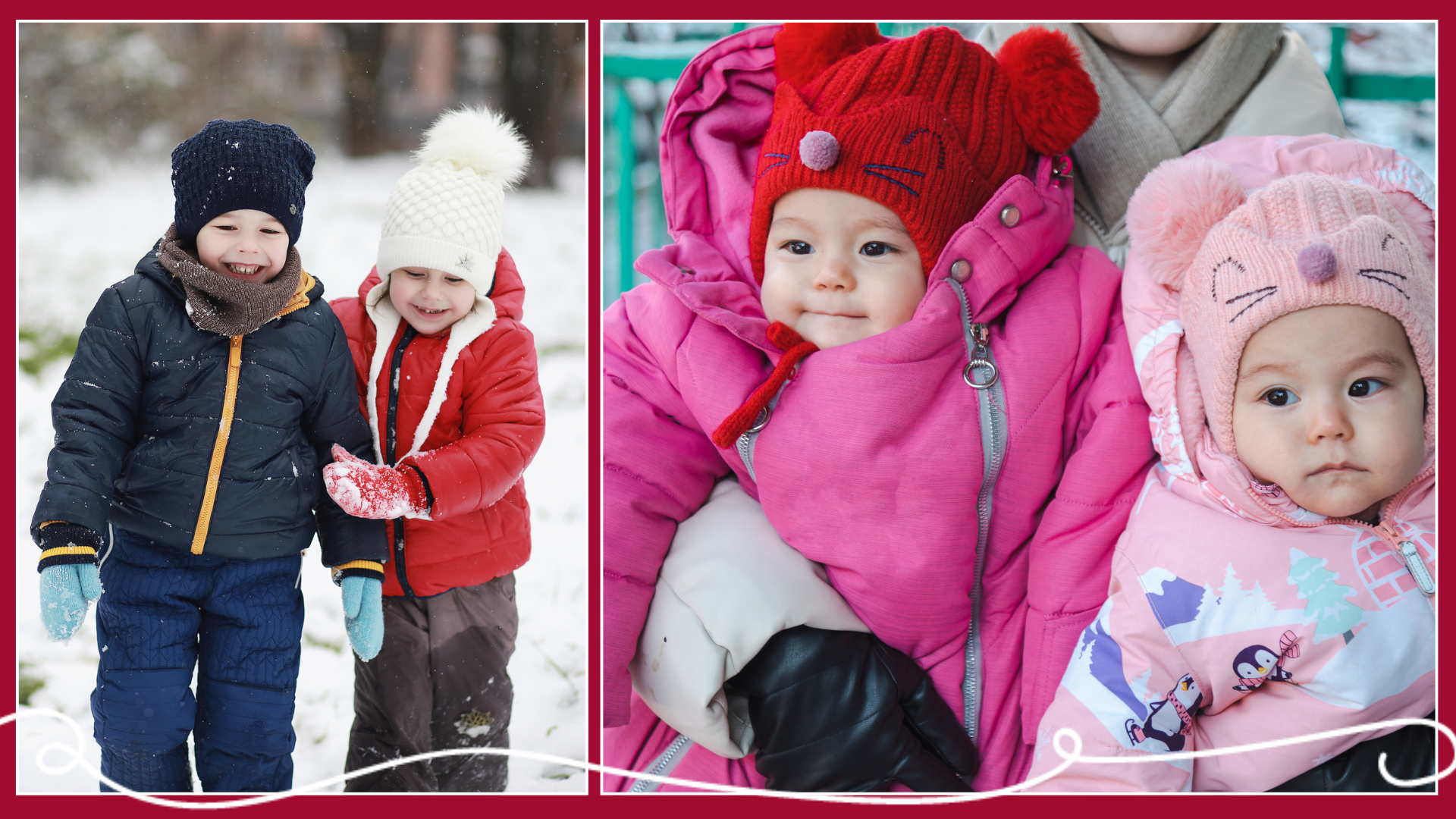
Alaska winters call for warm, weather-appropriate clothing. Dressing children in layers helps them stay comfortable while playing outside. This also makes it easier to adjust their clothing as temperatures and activity levels change.
Consider these tips when preparing children for outdoor winter play:
- Layer up: Dress children in warm layers, including a base layer, insulating clothing, and a weather-resistant outer layer.
- Protect exposed skin: Make sure children have hats, mittens or gloves, thick socks, and insulated boots.
- Check the Weather: Monitor temperatures, wind, and other weather conditions before heading outdoors. Adjust outdoor playtime as needed. A little play goes a long way!
- Watch for signs of cold stress: Bring children inside if they begin shivering, become unusually tired, or show other concerning changes in behavior. Seek medical assistance if symptoms are severe or do not improve.
Babies and young children may need an additional layer compared with adults, but every child is different. Check regularly to make sure children are warm without becoming overheated.
Outdoor play is valuable, but it is just as important to recognize when conditions are too cold or unsafe. When outdoor time needs to be shortened, indoor movement activities can help children stay active.
2. Make Winter Activities Safe and Fun.
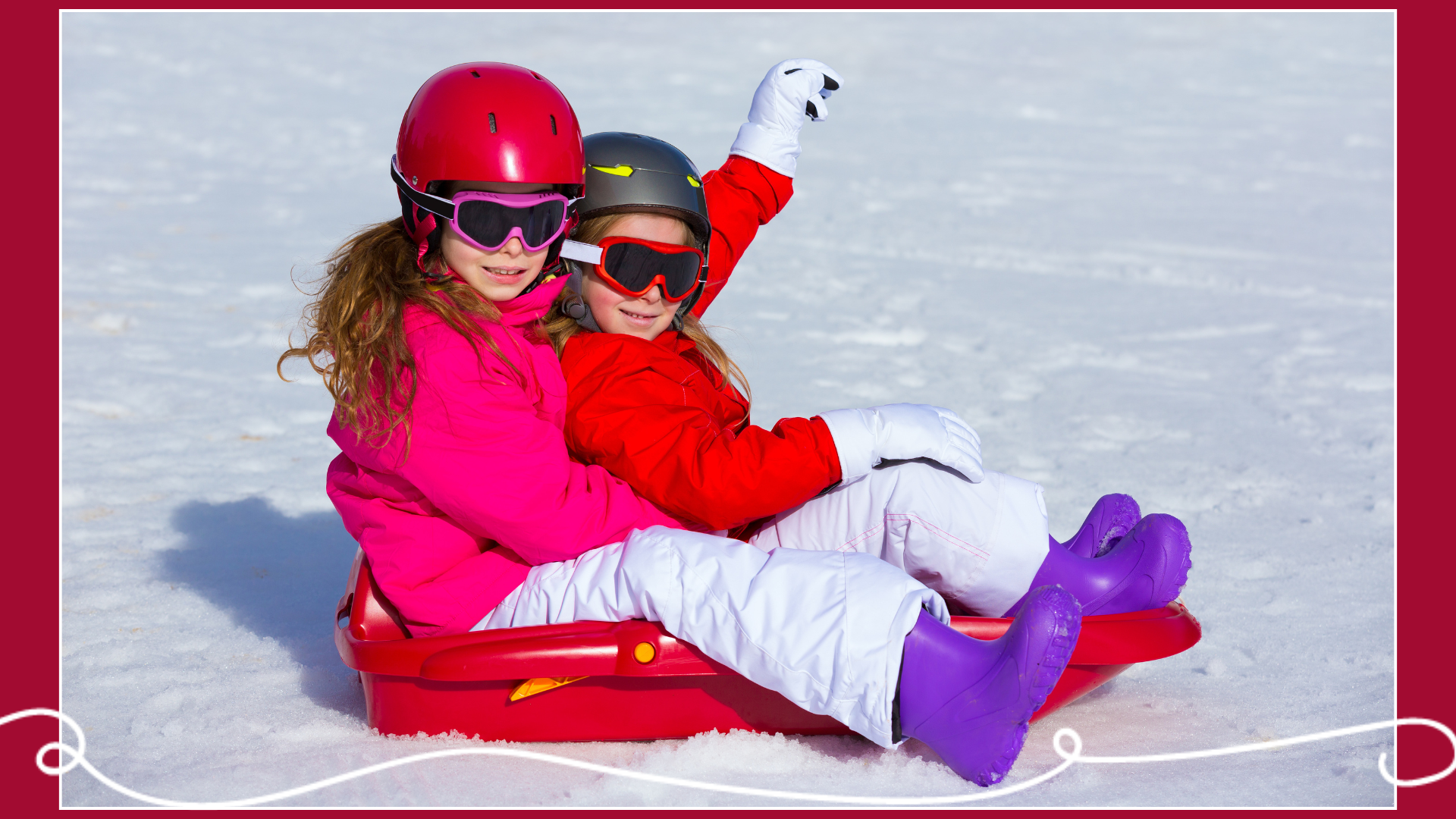
From sledding and snowboarding to ice skating and exploring the snow, winter activities offer exciting ways for children to develop coordination, balance, and confidence. Taking a few extra precautions can help make these experiences safer.
Remember these winter recreation tips:
- Wear a properly fitted helmet: Helmets are essential for activities such as snowboarding or skiing and are equally important when learning how to ice skate. When checking a child’s helmet, make sure it fits snugly and sits level on the head, just above the eyebrows. Also follow activity-specific safety recommendations.
- Choose safe sledding areas: Select hills free of trees, roads, fences, and other obstacles, with a clear, flat area at the bottom. Children should sled feet first rather than headfirst.
- Stay hydrated: Children can become dehydrated even when the weather is cold. Offer water during and after active play.
- Check equipment and surfaces: Snow and freezing temperatures can affect playground equipment and other outdoor play areas. Inspect equipment before using and avoid surfaces that may be icy or otherwise unsafe.
3. Keep Car Seats and Winter Coats Separate.
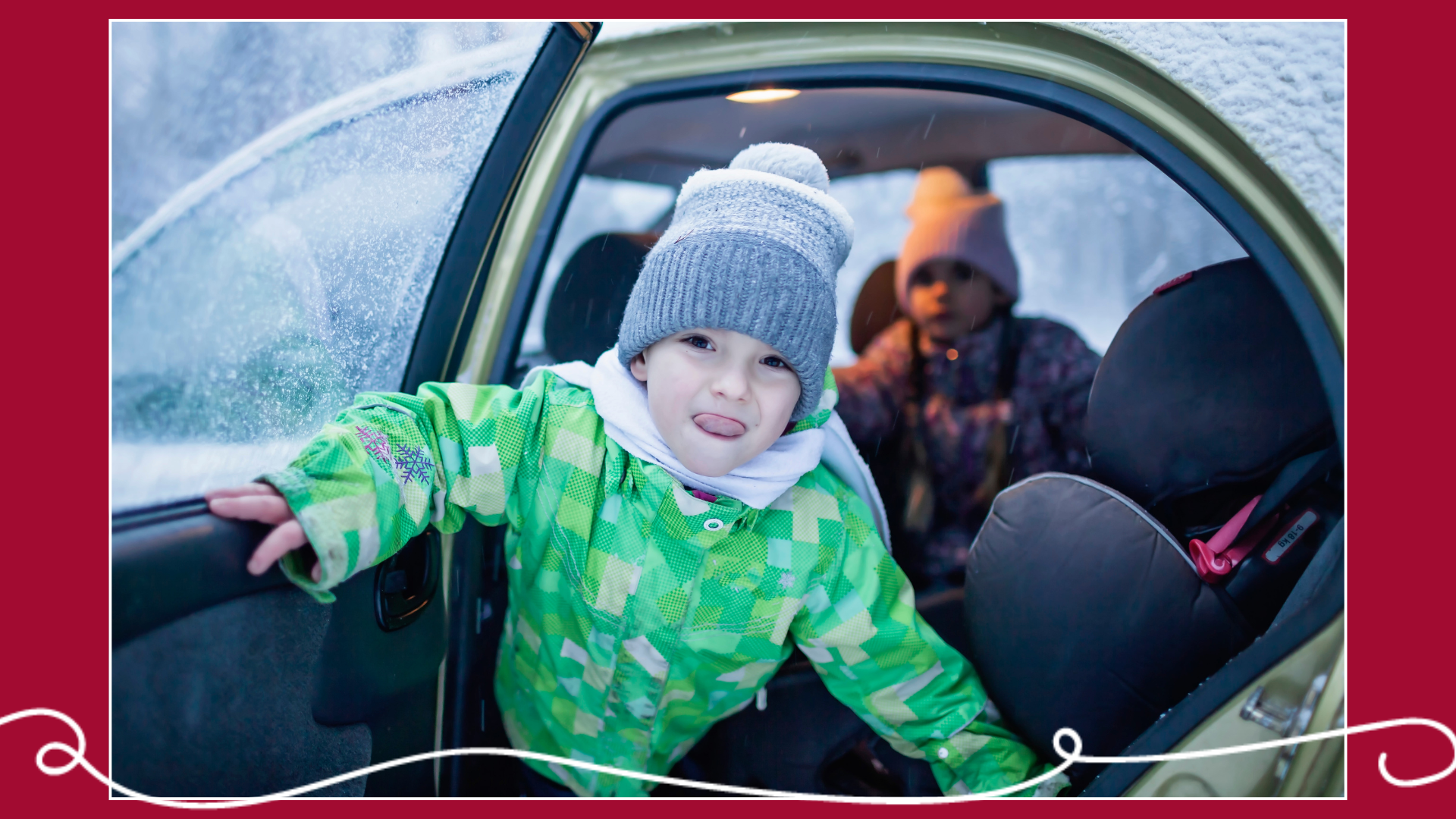
Winter coats and car seats do not always mix. Although bulky coats and snowsuits help children stay warm outdoors, they can interfere with the proper fit of a car seat harness. When a child wears a bulky coat under a harness, the coat’s padding can compress during a crash, leaving extra space between the harness and the child’s body.
Try these steps instead:
- Remove bulky coats and snowsuits before buckling children into their car seats.
- Fasten the harness snug against the child’s body, following the car seat manufacturer’s instructions.
- Place a coat or blanket over the secured harness to keep your child warm.
- Warm up the vehicle before traveling whenever possible, especially in cold weather.
Keeping children properly secure while traveling is just as important as keeping them warm outside.
4. Practice Safe Sleep During Colder Months
When temperatures get colder, caregivers may be tempted to add extra blankets or bedding to keep babies warm at night. However, safe sleep practices remain essential throughout the winter.

To help babies sleep safely and comfortably:
- Place babies on their backs for every sleep.
- Keep loose blankets, pillows, and other soft items out of the crib.
- Use appropriately sized sleep clothing or a wearable sleep sack instead of loose bedding.
- Avoid overheating by dressing babies in comfortable layers and checking for signs that they are too warm.
Babies generally need only one additional layer compared with what an adult would wear comfortably in the same environment. Always follow current safe sleep guidance and your child care program’s applicable policies. For infants, a safe sleep environment is important year-round, regardless of the outdoor temperature.
5. Prepare for Winter Weather Emergencies
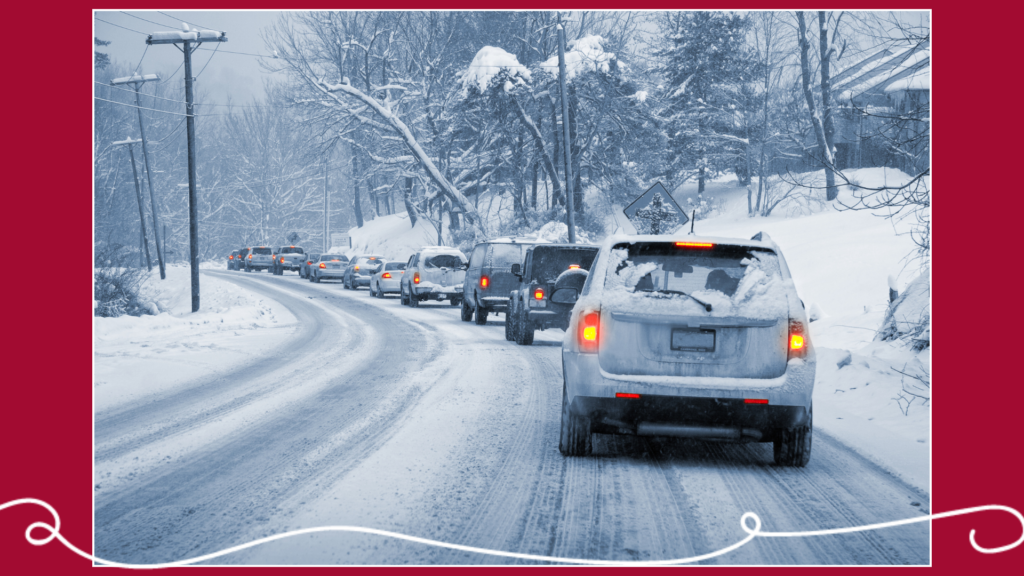
Winter weather can change drastically, bringing heavy snowfalls, icy roads, power outages, and conditions that make travel dangerous. Families and child care programs can help protect children by preparing for these possibilities before an emergency occurs.
For families and child care programs, preparation may include:
- Review emergency plans: Confirm that written emergency procedures are current and that everyone understands their role.
- Check emergency supply kits: Make sure essential supplies are available and up to date.
- Plan for power outages: Know how your household or program will respond if heating, electricity, or other essential services are interrupted.
- Communicate with families: Make sure parents and caregivers understand your program’s winter weather policies, including how closures and schedule changes will be communicated.
- Monitor local conditions: Stay informed about weather alerts and road conditions, and adjust plans when travel becomes unsafe.
Clear communication between families and child care programs can help everyone feel more prepared when winter weather affects daily routines.
Keep Learning and Playing All Winter Long
Winter does not have to mean putting outdoor play on hold. With thoughtful preparation and appropriate safety measures, children can continue exploring, moving, and learning throughout the season. Whether you are helping a child bundle up for outdoor adventures, reviewing your child care program’s emergency procedures, or finding creative ways to stay active indoors, small steps can make a meaningful difference. thread is here to remind you that by planning ahead and staying mindful of changing conditions, we can help children enjoy the season while creating safe, positive opportunities for growth and discovery.